How to Adjust iCloud Private Relay IP Address Settings
How to Adjust iCloud Private Relay IP Address SettingsWednesday August 18, 2021 4:33 PM PDT by Tim HardwickAs part of iOS 15, Apple introduced iCloud Private Relay, a feature of all iCloud+ paid plans that's designed to encrypt
Table of Contents
How to Adjust iCloud Private Relay IP Address Settings
As part of iOS 15, Apple introduced iCloud Private Relay, a feature of all iCloud+ paid plans that's designed to encrypt all of the traffic leaving your device so no one can intercept it or read it.
Private Relay works by sending web traffic to a server that is maintained by Apple to strip the IP address. Once the IP info has been removed, Apple sends the traffic to a second server maintained by a third-party company that assigns a temporary IP address and then sends the traffic to its destination, a process that prevents your IP address, location, and browsing activity from being used to create a profile about you.
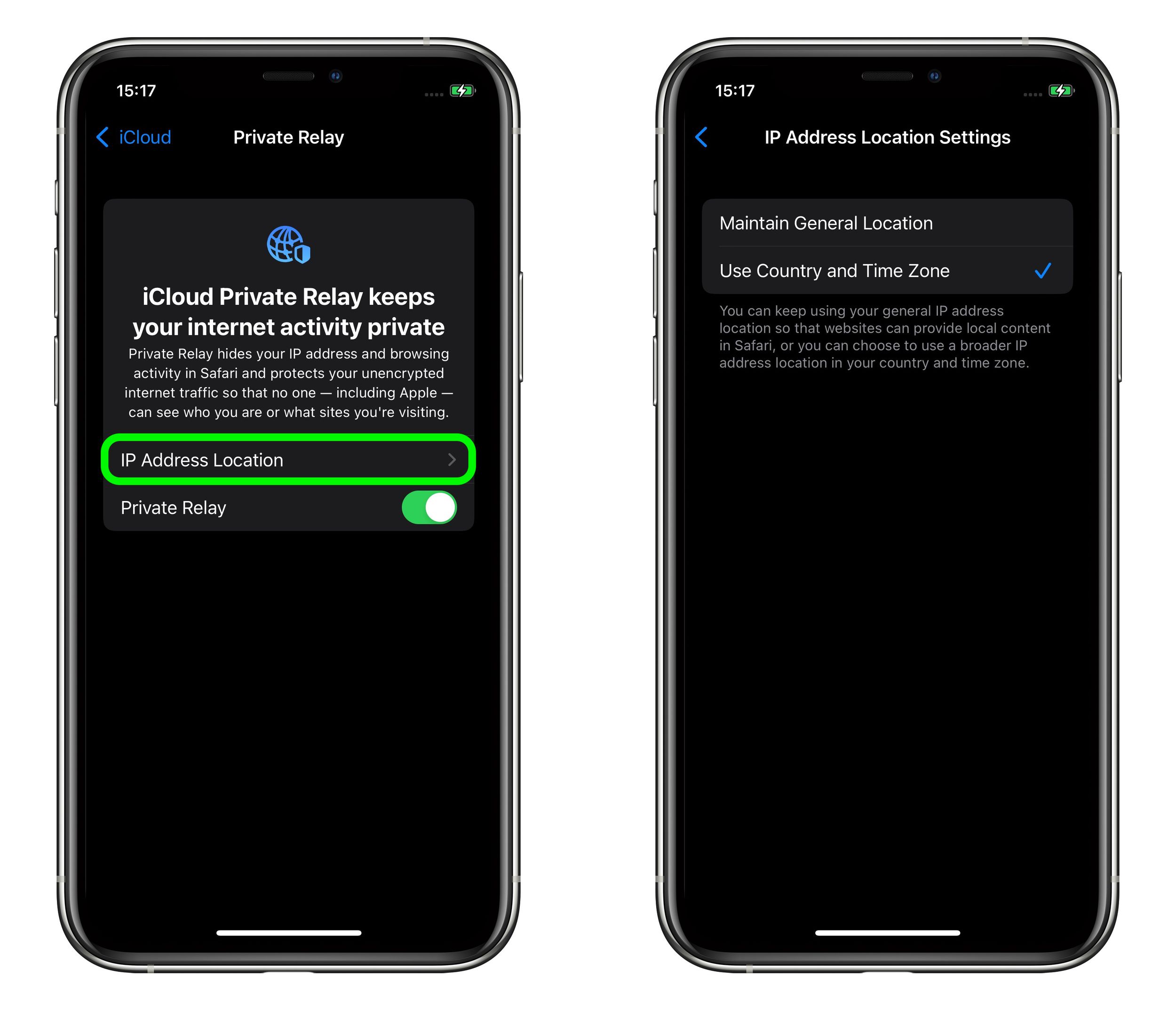
Once iCloud Private Relay is enabled, you can choose how the assigned IP address uses geographical information to conceal your actual location. If you still want to receive local content when you're browsing in Safari, the IP address can maintain your general location without being specific (the default setting), or if you want the relay to be more private, the IP address can simply include your country and time zone.
Whichever option you choose, here's how to set it in iOS 15.
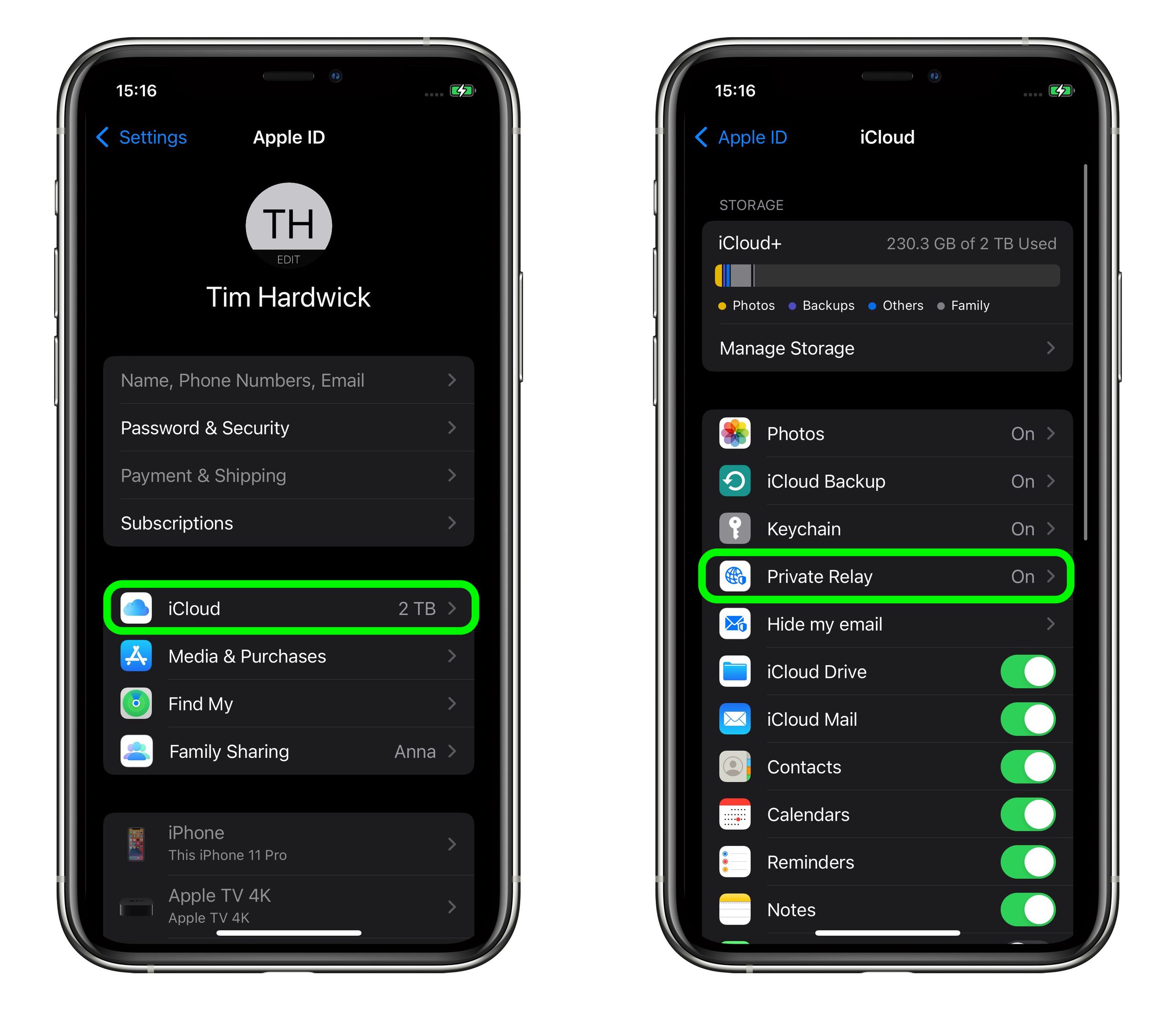
- Launch the Settings app on your iPhone or iPad.
- Tap your name at the top of the main settings menu.
- Tap iCloud.
- Tap Private Relay.
- Tap IP Address Location.
- Select Maintain General Location (the default) or Use Country and Time Zone.
Paid iCloud+ plans also include a new Hide My Email feature that lets you create unique, random email addresses that forward to your personal inbox, and it allows for iCloud Mail addresses to be personalized with a custom domain name. To learn more about Hide My Email and how to enable it, check out our dedicated how-to guide.
Popular Stories

Apple Quietly Boosts Email Feature for iCloud+ Subscribers
Apple Quietly Triples iCloud Mail Alias Limit to Nine